The Next Wave in West Coast Lighting: Where Wood Meets Water
If you’ve spent any time in high-end residential spaces along the West Coast, you’ve seen them: those stunning glass pendant fixtures cascading like sculptural installations above dining tables and in double-height entryways throughout Yaletown penthouses to waterfront residence, or urban sanctuaries.
And don’t get us wrong, glass luminaires are undeniably breathtaking. The way light refracts through blown glass, creating that signature interplay of illumination and shadow, has captivated designers and homeowners for years.
But here’s the question we keep coming back to in 2026: What if the next big thing in decorative lighting isn’t glass at all?
What if, we celebrated a raw material, honouring wood’s natural warmth, organic grain, and deep connection to the landscape that defines West Coast living?
West Coast Design Has Always Been About Materiality
Before we dive into what’s next, let’s talk about what makes West Coast design so distinctive. This aesthetic isn’t just about proximity to the ocean, it’s a philosophy rooted in connection to nature, honest materials, and craftsmanship.
West Coast Modern, pioneered by visionaries like Arthur Erickson and Ron Thom in the 1940s through 1960s, established core principles that still resonate today: clean lines, natural materials like cedar and stone, and spaces that blur the boundary between indoors and out. Large windows frame spectacular views, exposed timber beams celebrate structural honesty, and every material choice reflects the surrounding environment.
In this context, lighting becomes more than functional illumination. It becomes an extension of the design philosophy, a way to bring warmth, highlight natural textures, and create an atmosphere that feels both sophisticated and grounded.
Enter Poémia: Wooden Luminaires Built for This Moment
This is where Poémia enters the conversation and why we think this Portuguese brand deserves your attention.
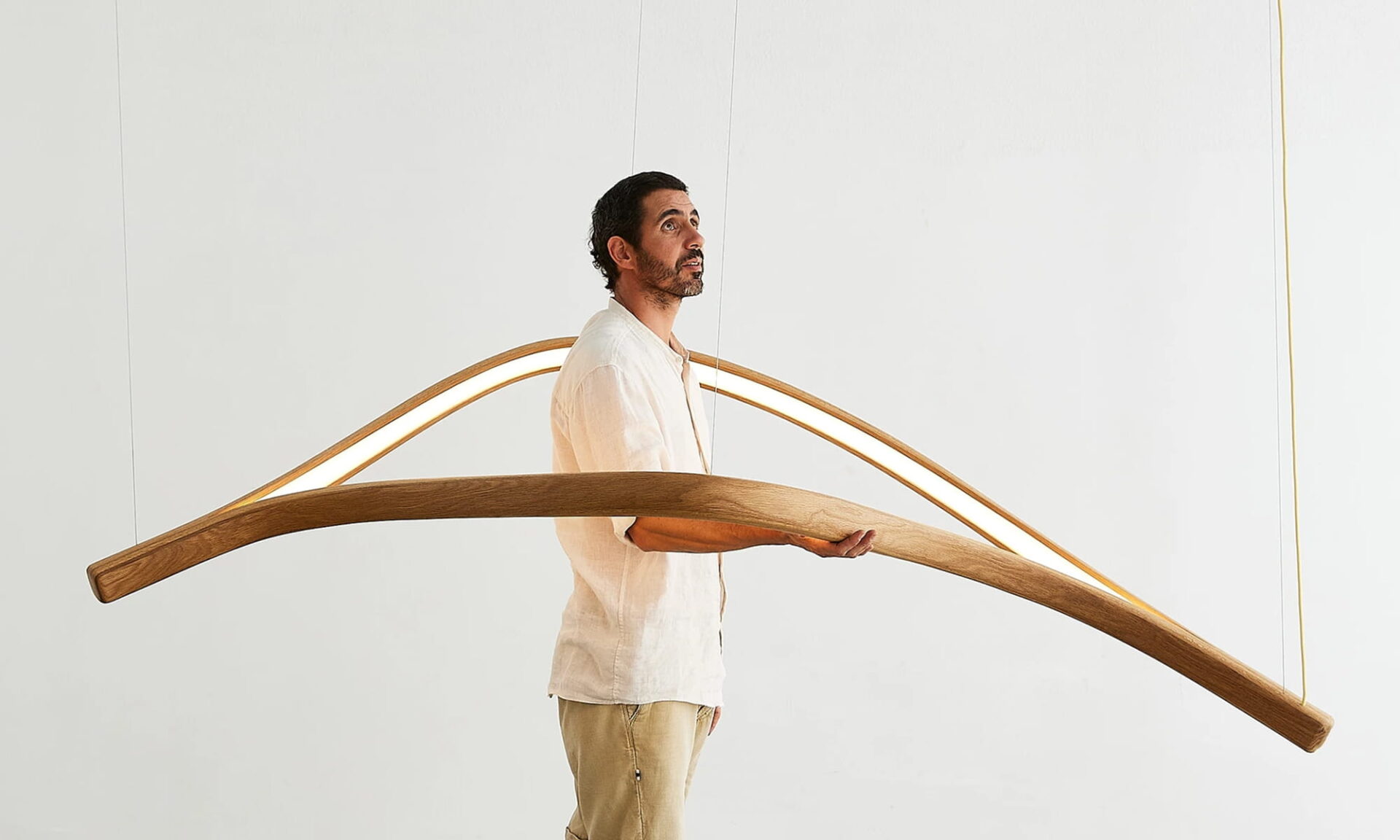
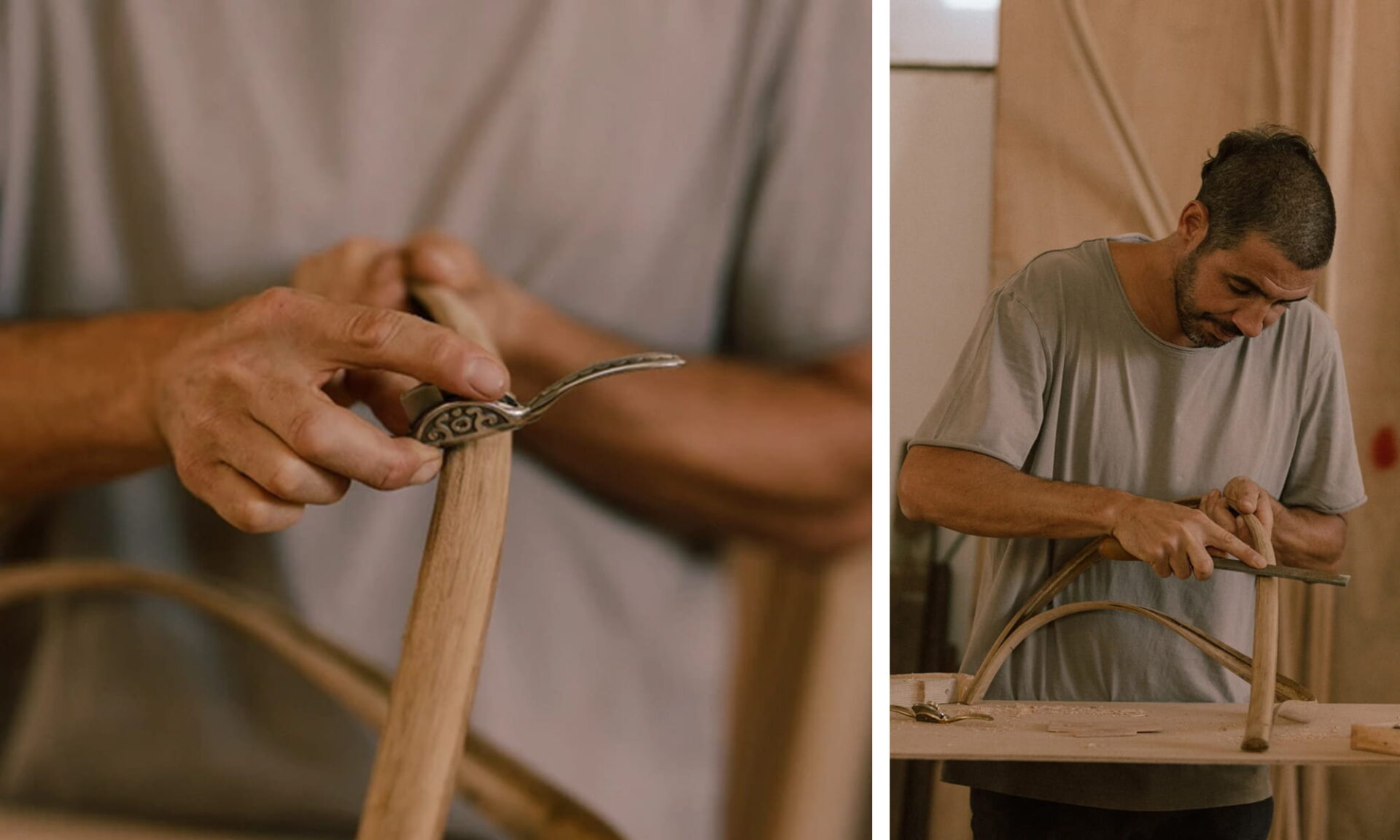
Founded with a vision to honour wood’s transformative potential, Poémia crafts wooden lamps using an ancestral molding technique that pushes the material to its limits. Each piece celebrates wood not as a static element, but as something living; capable of flowing, bending, and assuming forms that seem almost impossibly organic.
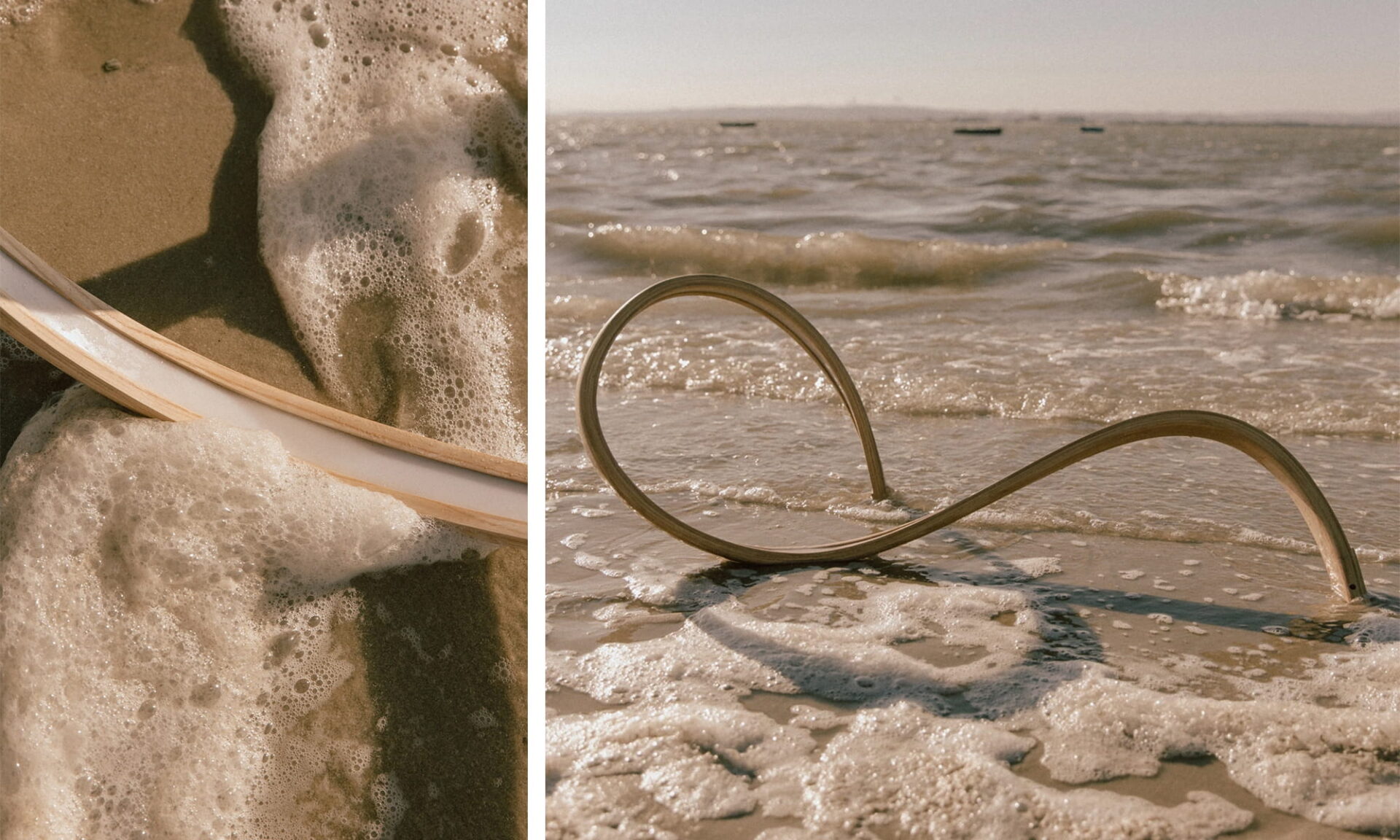
The result? Lighting fixtures that look like they’ve been shaped by wind and water, with light and flowing lines that preserve the memory of the wood while transforming it into something extraordinary.
As founder Ricardo Costa describes it: “Wood is so much more than a raw material. It is life, it is light and warmth. Above all, it is the medium through which I fully express my creativity in a symbiosis between man and nature.”
That philosophy, that deep reverence for material combined with technical mastery, is exactly what West Coast design has always been about.
The Aurora Collection: Four Fixtures Inspired by the Sea
Poémia’s Aurora Collection features four distinct fixtures, each inspired by the ocean and designed to bring that coastal poetry into your space. Every piece is crafted in limited series, meaning each fixture is genuinely unique, an exclusive work of functional art for your home.
Let’s explore each one.
1. Maré: The Ocean’s Breath
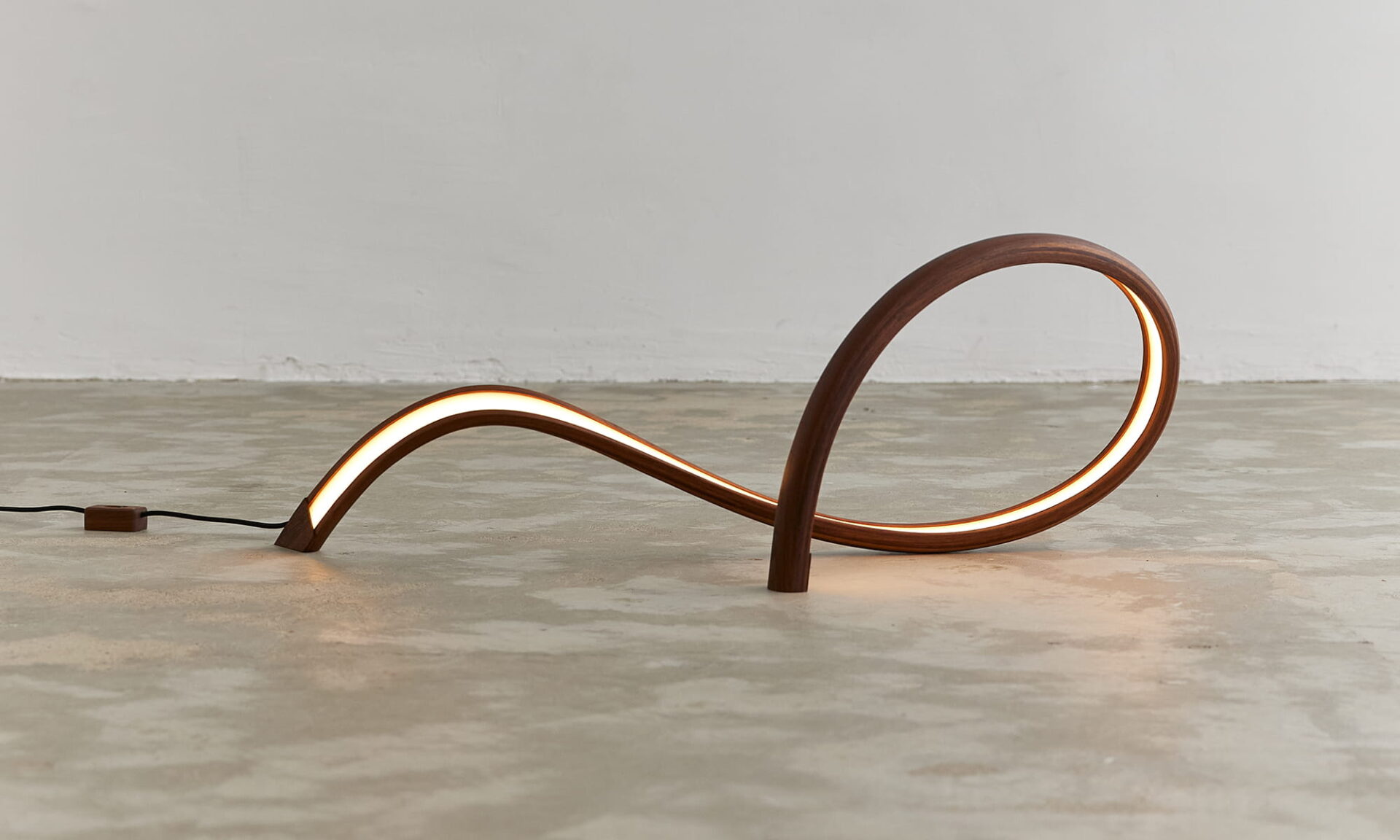
Table Lamp | Walnut
The ocean’s breath. A timeless and eternal dance, weaving nature’s symphony.
The Maré [ma-ré] table lamp is your introduction to Poémia’s design language. Crafted from rich walnut wood with integrated LEDs and acrylic details, Maré captures the rhythmic motion of waves in a compact, tactile form.
This isn’t a table lamp that simply sits on a surface, it creates presence. The warm tones of walnut bring immediate intimacy to any space. The sculptural quality means it functions as both illumination and art object.
Where Maré works beautifully?
Master bedrooms, intimate living spaces, and anywhere you want to create a warm, grounded focal point without overwhelming the room.
2. Brisa: The Wind’s Gentle Whisper
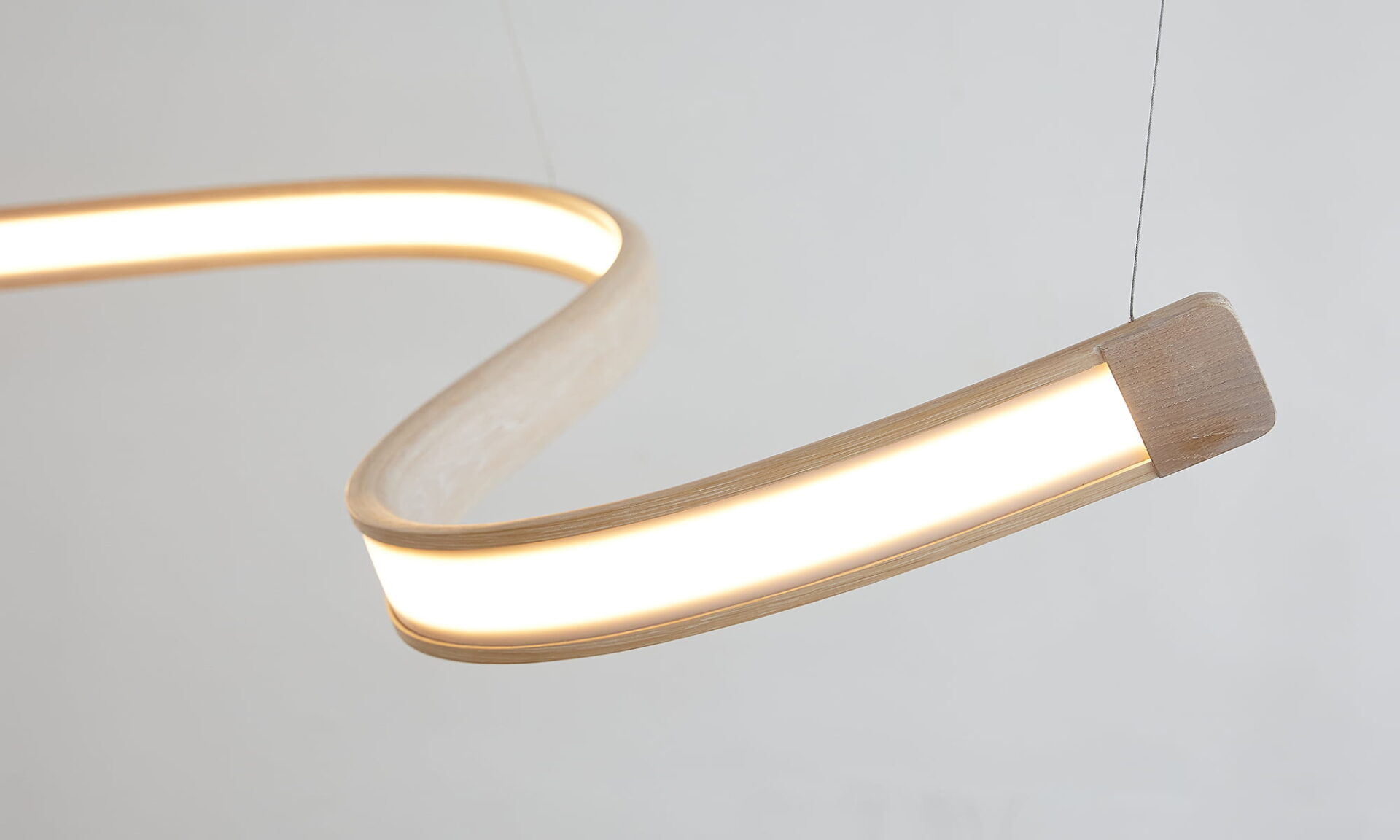
Ceiling Lamp | Ash Wood
The wind’s gentle whisper. Soft and refreshing, like a pleasant breeze that brings stillness to life.
Crafted from ash wood treated with white wood oil, Brisa’s [bri-sa] pale, almost ethereal finish creates visual lightness while maintaining wood’s inherent warmth.
In West Coast interiors where white oak floors, pale textiles, and natural plaster dominate, Brisa becomes a bridge element. It reinforces the material palette while introducing sculptural interest overhead, that often-overlooked plane where lighting can either disappear or truly shine.
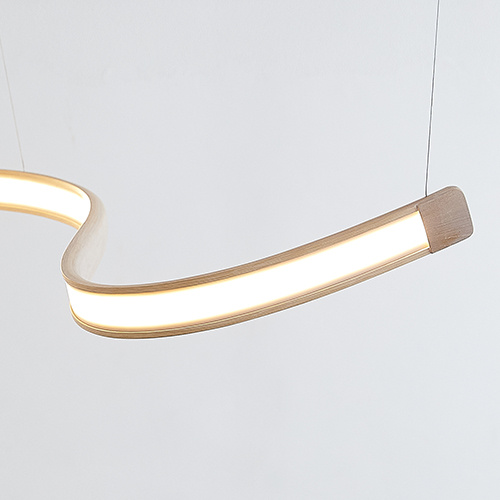
Where Brisa works beautifully?
Dining rooms or entryways where you want sophisticated ambient lighting that complements rather than competes with architectural features.
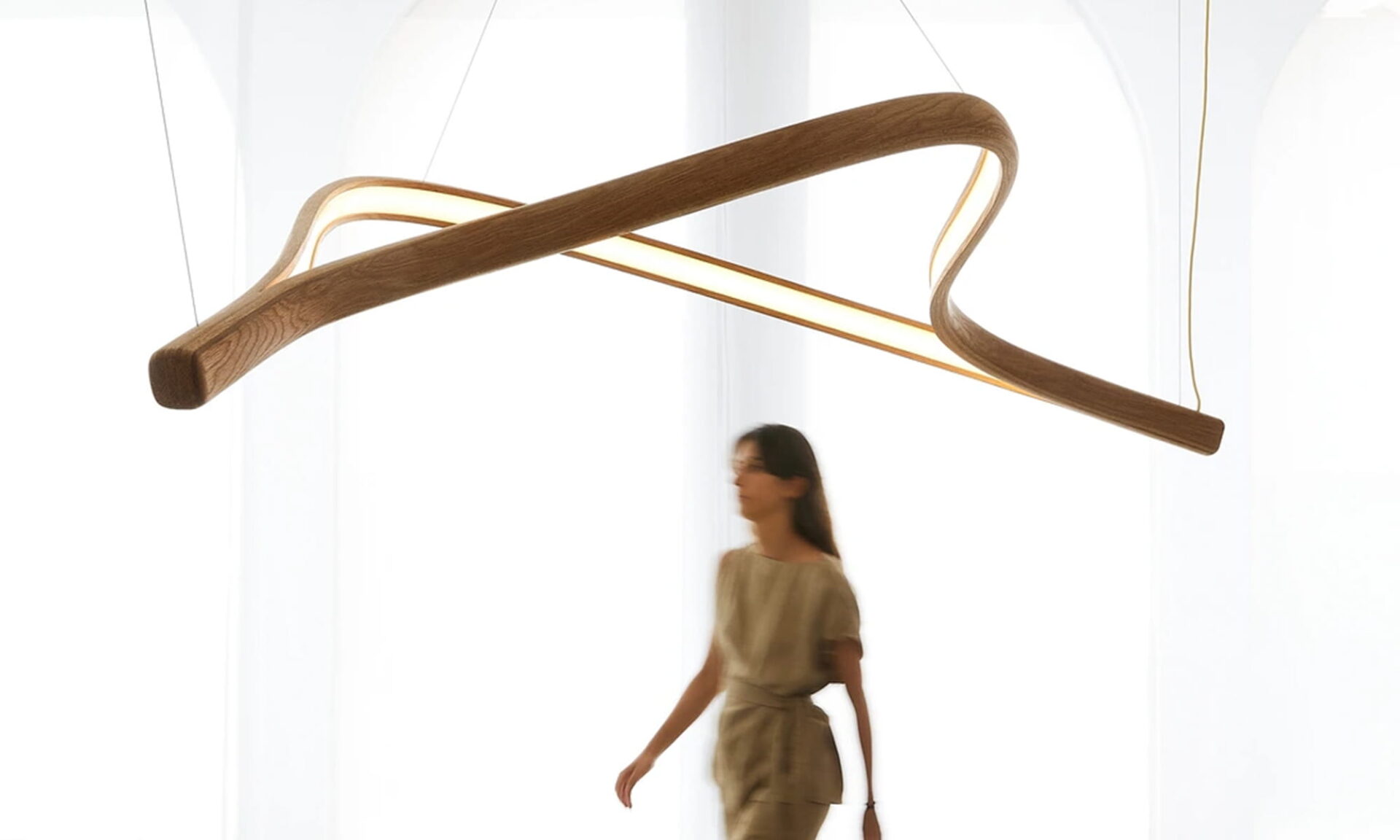
3. Pérola: The Pearl
Ceiling Lamp | Oak
A grain of sand inside an oyster shell, shaped by time into a precious gem. The pearl’s natural beauty is a symbol of grace and tranquility.
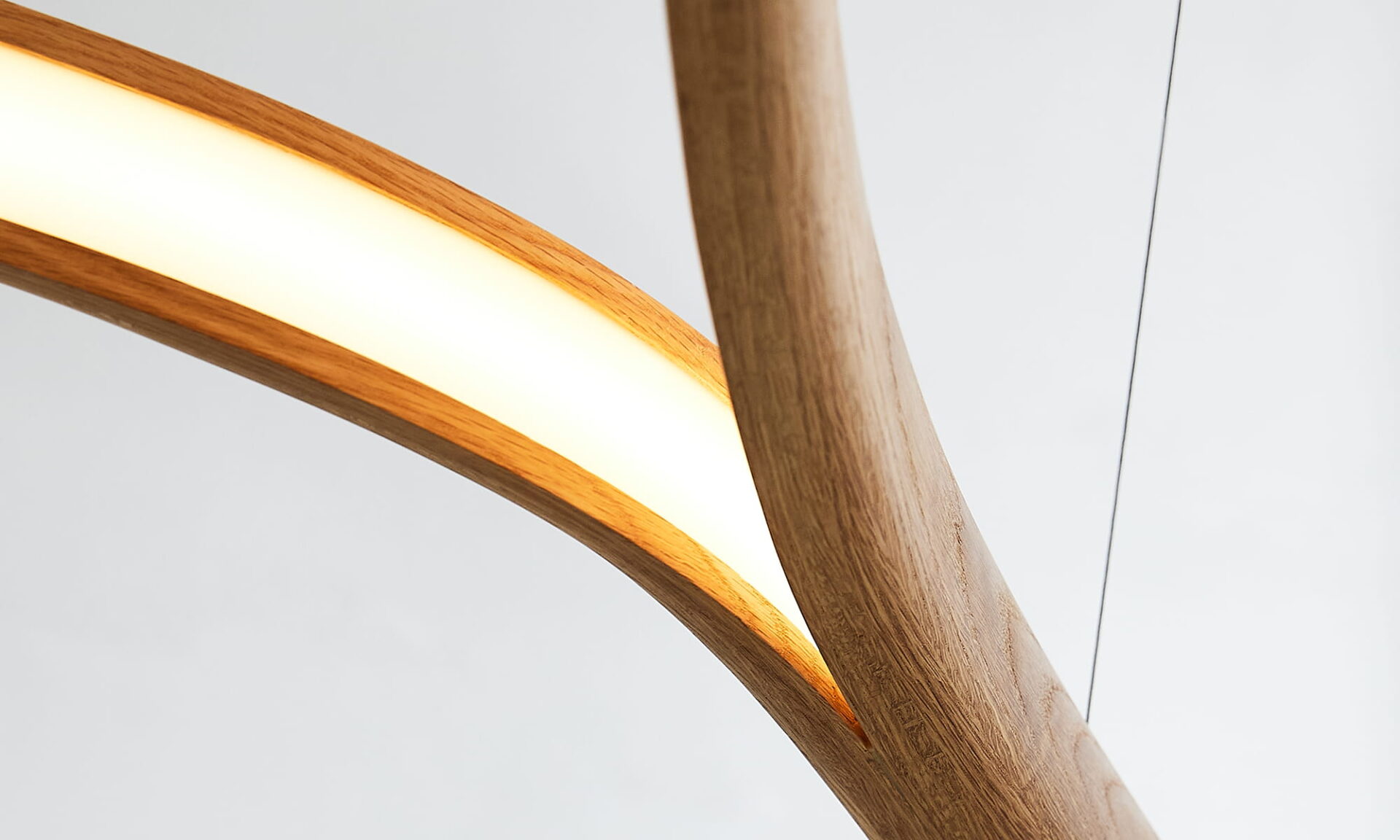
Crafted from oak treated with clear wood oil, Perola [pé-ro-la] showcases the grain and character of the wood itself. Oak’s distinctive figuring becomes part of the design, meaning every fixture tells a slightly different visual story. The clear oil finish enhances depth and richness without obscuring the wood’s natural beauty.
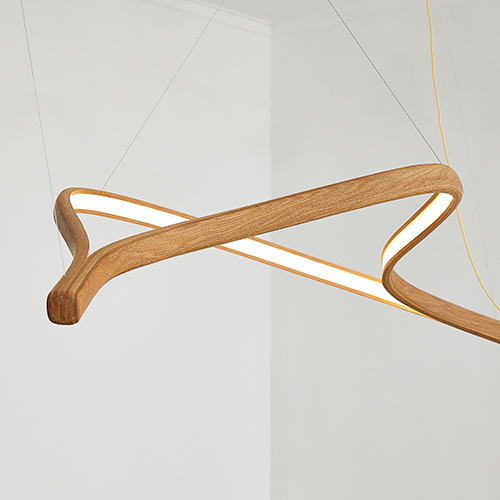
Where Pérola works beautifully?
Great rooms with high ceilings, and spaces where you’re balancing modern architecture with organic warmth.
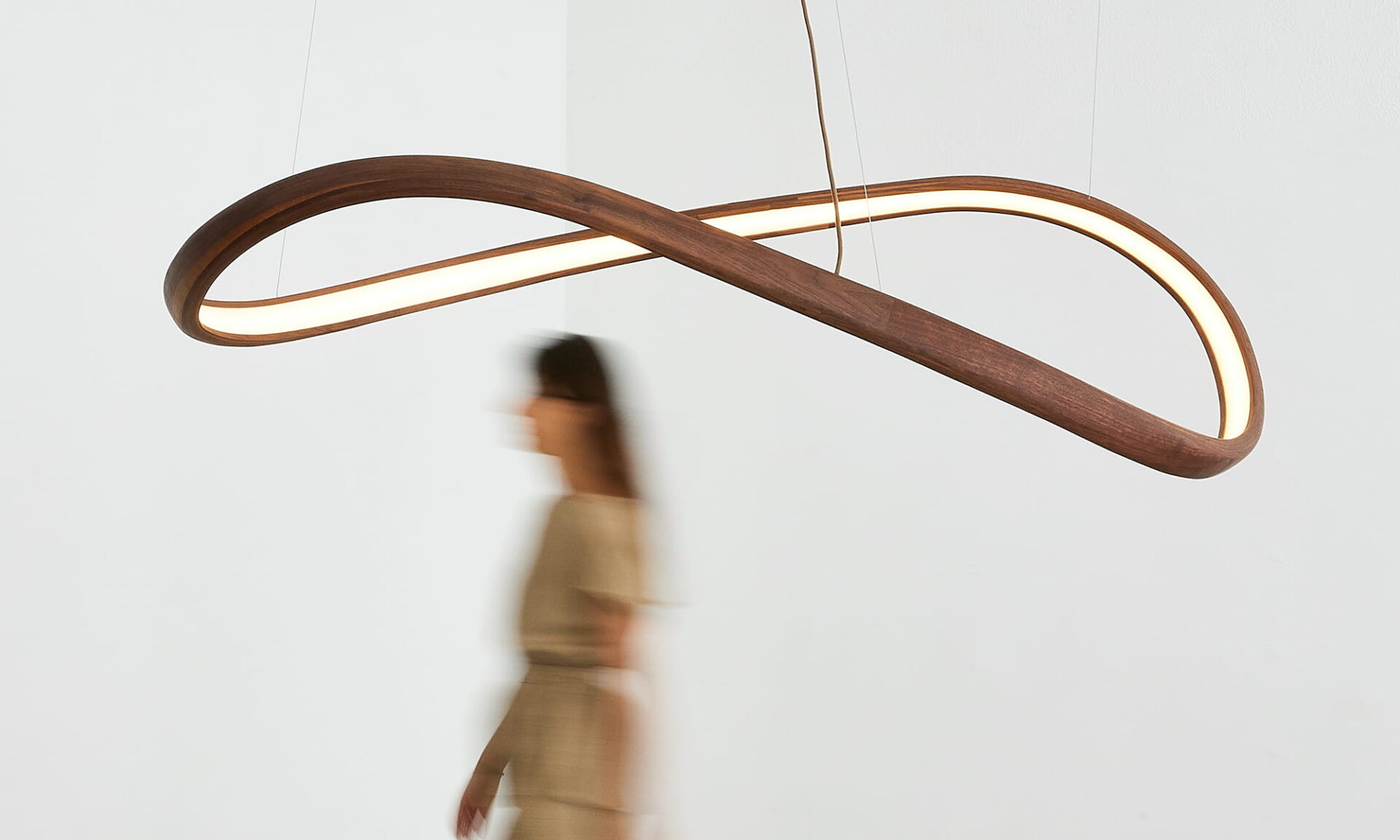
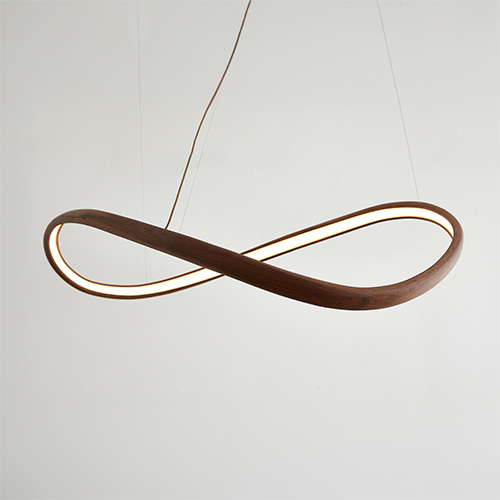
4. Horizonte: Where Sky Meets Sea
Ceiling Lamp | Walnut
Where the sky meets the sea. An endless line of possibilities, inviting dreams and new journeys.
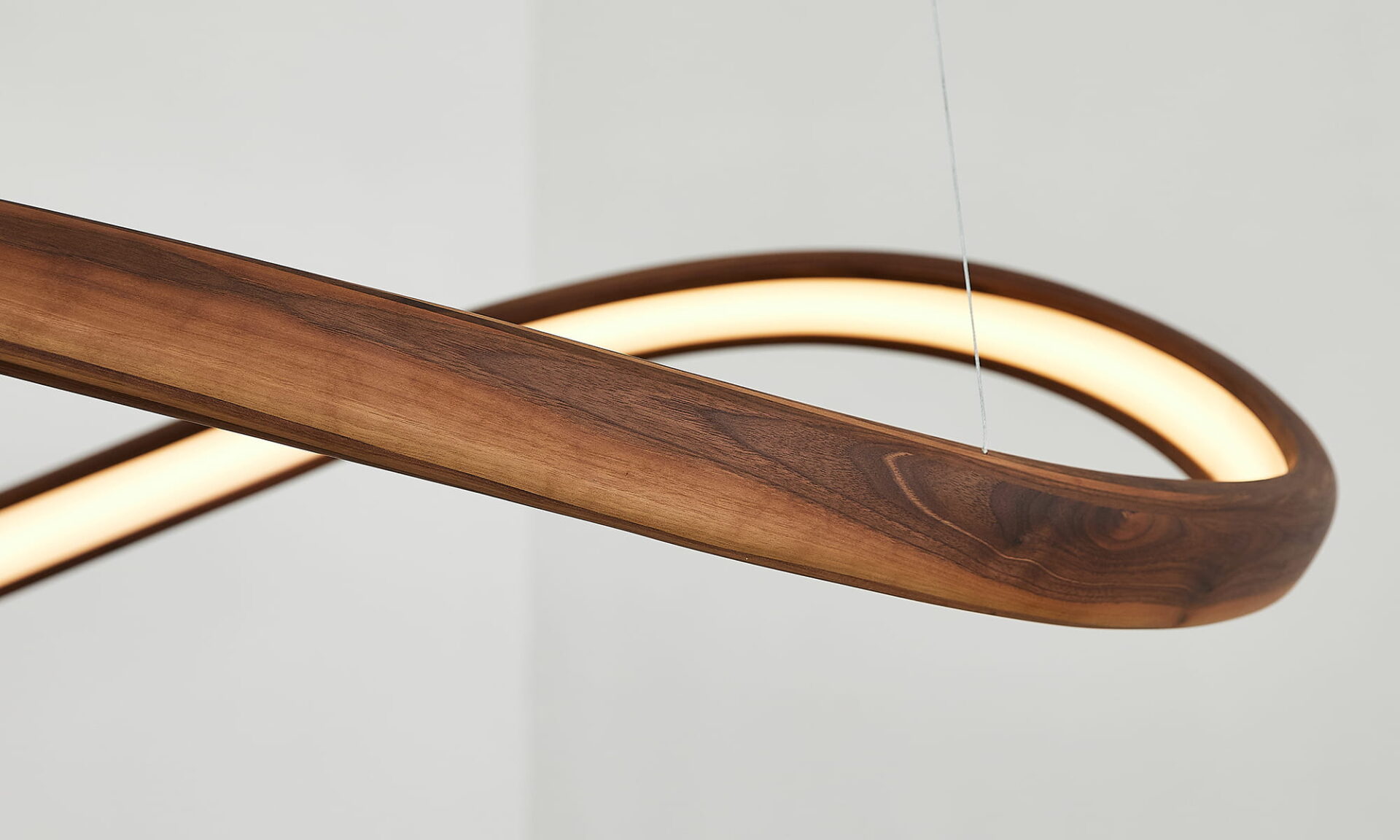
Horizonte [ho-ri-zon-te] is perhaps the most architecturally striking piece in the Aurora Collection. Crafted from walnut with clear wood oil, it embodies that liminal moment at dusk when the horizon line becomes ambiguous—is it the end of one thing or the beginning of another?
The deep, rich tones of walnut create instant visual drama. This is a fixture with presence, the kind that becomes a conversation piece while still serving its primary function beautifully.
Where Horizonte works beautifully?
Architectural moments where you want the eye to pause and appreciate.
Why Wood? Why Now?
So let’s address the question directly: Why is wood the compelling choice for decorative lighting in 2026?
- Material Authenticity Matters. West Coast design has always celebrated honest materials: timber that looks like timber, stone that looks like stone. Wooden luminaires continue that tradition while bringing inherent warmth and tactile connection.
- Sustainability and Longevity. In an era where thoughtful consumption matters, investing in limited-series wooden fixtures crafted by artisans feels right. These aren’t mass-produced objects destined for obsolescence. They’re timeless pieces you’ll live with for decades.
- Visual Balance. Many contemporary West Coast interiors already feature abundant glass like windows, doors, railings. Introducing wooden lighting creates material diversity and visual richness without adding visual chaos.
- The Unexpected Factor. Poémia’s designs bring surprise, that “I haven’t seen this before” moment that makes spaces memorable.
Designing with Poémia: What to Consider
If you’re considering wooden luminaires for your next project, here are a few thoughts:
- Consider Your Material Palette. Wooden lighting works beautifully in spaces with varied natural materials, but it also provides warmth in more minimal environments. Think about whether you want tonal harmony (ash with light woods) or intentional contrast (walnut against pale finishes).
- Embrace the Uniqueness. Because each piece is crafted in limited series, expect variation. That’s not a flaw, it’s the entire point. You’re specifying art, not standardized product.

Ready to bring the next big thing into your designs?
West Coast design has always been about more than following trends, it’s about thoughtful material choices that honour craftsmanship and connect us to the natural world.
The next wave in West Coast lighting could be Poémia. Let’s talk about bringing Poémia into your next project.